Source Oil Filled Black Nylon Sheet for Industrial Flooring
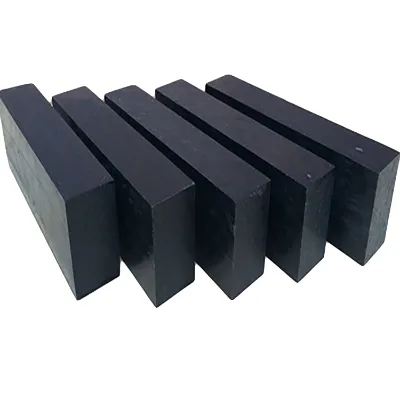
Compare 30 listings for oil filled black nylon sheet from verified Chinese suppliers. Buyers can evaluate tensile strength, thickness, and customization options for engineering plastic applications. These sheets offer high wear resistance and are available in various colors including black, white, and green. Specifications range from 1 to 100mm thickness with customized sizes. Delivery times are typically within 25 days.
Key considerations
Products List




Comprehensive Sourcing Guide
Oil Filled Black Nylon Sheet Sourcing Guide
Procuring oil-filled black nylon sheets requires a nuanced understanding of material science and industrial application requirements. These sheets are typically engineered from high-performance engineering plastics, such as Mc Nylon, which offer superior mechanical properties compared to standard thermoplastics. Buyers must distinguish between natural rubber alternatives and synthetic nylon variants, as their performance profiles differ significantly under stress and chemical exposure. The black coloration often indicates the presence of carbon black or specific additives that enhance UV resistance and wear characteristics, making them suitable for demanding environments.
The sourcing process involves evaluating multiple product attributes, including tensile strength, density, and water absorption rates. Suppliers may list various models, such as Mc Nylon Sheet or Mc901 Sheet, each with distinct mechanical behaviors. It is crucial to verify whether the product is an engineering plastic sheet or a rubber slab, as the terminology can be ambiguous in global marketplaces. Understanding these distinctions ensures that the selected material aligns with the specific mechanical and chemical demands of the intended industrial application, preventing premature failure in service.
Product Scope and Observed Listing Signals
The observed market listings reveal a diverse range of materials, including natural rubber, nitrile rubber, and various nylon plastic sheets. While the core keyword specifies oil-filled black nylon, many suppliers list black rubber sheets with oil-resistant properties, which may serve similar functional roles in certain contexts. Buyers should carefully examine the raw materials section to confirm if the product is indeed a synthetic nylon pad or a rubber-based slab. The presence of terms like "Mc Nylon Plastic" and "Engineering Plastic Sheet" suggests a focus on high-wear applications, whereas "Industrial Rubber Slab" points toward flooring or insulating uses.
Listing signals also highlight variations in packaging and standard dimensions. Products are often packed in woven bags, cartons, or wooden pallets, indicating readiness for bulk industrial shipping. Standard sizes such as 1000*2000mm or customized dimensions based on samples are common. Some listings mention specific models like HY1002 or PA, which may refer to specific polymer grades or manufacturer codes. Buyers must cross-reference these signals with their technical requirements, as a black rubber sheet with corrosion resistance may not provide the same mechanical rigidity as a black nylon sheet with high wear resistance.
Technical Specifications to Verify
Technical verification begins with confirming the material composition and mechanical properties. For nylon-based sheets, key metrics include tensile strength, which can range from 51 to 130 MPa depending on the specific grade and formulation. Density is another critical parameter, with observed values around 1.15 to 1.2 kg/cm³, indicating the material's mass per unit volume. Buyers should also check the contraction percentage, which affects dimensional stability during manufacturing and installation. Values typically range from less than 0.4% to 1.4%, influencing how precisely the sheet can be machined to custom sizes.
Water absorption and color options are also vital technical considerations. Nylon materials may exhibit water absorption rates between 1.5% and 3.5%, which can impact their mechanical integrity in humid environments. Color variations such as white, black, green, blue, and yellow are available, with black often preferred for industrial visibility and UV protection. Thickness ranges from 1 to 100mm, allowing for customization based on load-bearing requirements. Buyers must ensure that the specified thickness and tensile strength meet the design loads of their application, particularly for components subjected to continuous friction or impact.
Compliance and Safety Documentation
Compliance documentation is essential for ensuring that the sourced materials meet international safety and environmental standards. Many suppliers provide certifications such as ISO9001, SGS, FDA, and RoHS, which validate quality management systems and material safety. RoHS compliance is particularly important for electronics and automotive applications, ensuring the absence of hazardous substances. Buyers should request test reports to verify that the black nylon sheet meets specific regulatory requirements for their target market. These documents provide assurance that the material is safe for handling and does not release harmful compounds during its lifecycle.
Safety considerations also extend to the material's performance characteristics, such as heat resistance and insulating properties. While nylon sheets are known for high wear resistance, their electrical insulating capabilities may vary. Buyers should verify if the sheet is suitable for electrical applications, especially if it is used in industrial flooring or machinery components. Additionally, the presence of certifications like FDA approval may be relevant if the material comes into contact with food processing equipment. Ensuring that all necessary compliance documents are available and up-to-date helps mitigate legal and operational risks associated with material failure or regulatory non-compliance.
Cost Drivers and Commercial Terms
Cost drivers for oil-filled black nylon sheets include raw material prices, manufacturing complexity, and customization requirements. The use of synthetic rubber or engineering plastics like Mc Nylon can influence the base cost, with higher tensile strength and wear resistance typically commanding premium prices. Customized sizes and thicknesses add to the cost due to additional machining and handling. Buyers should also consider the packaging method, as wooden pallets or specialized cartons may incur higher shipping and handling fees. Understanding these factors helps in budgeting accurately and negotiating favorable terms with suppliers.
Commercial terms such as MOQ, lead time, and payment conditions significantly impact the procurement process. Observed MOQs range from 1 to 2000 units, offering flexibility for both small and large orders. Delivery times are often within 25 days, but this can vary based on customization and production capacity. Buyers should clarify these terms early in the negotiation process to avoid delays. Additionally, understanding the supplier's return policy and warranty provisions is crucial for managing risk. Clear commercial terms ensure a smooth transaction and help maintain supply chain continuity.
Supplier Qualification and Quality Control
Supplier qualification involves assessing the manufacturer's production capabilities, quality control processes, and track record. Buyers should verify that the supplier has a robust quality management system, often indicated by ISO9001 certification. It is also important to check if the supplier conducts regular internal tests for tensile strength, density, and water absorption. Requesting samples for pre-production testing allows buyers to validate the material's performance against their specific requirements. This step is crucial for identifying any discrepancies between the listed specifications and the actual product quality.
Quality control should also extend to the packaging and shipping process. Proper packaging, such as wooden pallets or woven bags, protects the sheets from damage during transit. Buyers should ensure that the supplier follows strict handling procedures to prevent scratches, dents, or moisture exposure. Additionally, verifying the supplier's ability to provide customized sizes and colors based on samples or drawings is essential for meeting specific project needs. A reliable supplier will have a clear process for addressing quality issues and providing timely support throughout the procurement lifecycle.
Long-Term Procurement Checks
Long-term procurement checks focus on maintaining consistent quality and supply chain reliability. Buyers should establish regular communication with suppliers to monitor any changes in material composition or manufacturing processes. Periodic re-testing of samples can help detect drifts in mechanical properties or compliance status. It is also important to review the supplier's performance metrics, such as on-time delivery rates and defect percentages. These metrics provide insights into the supplier's operational efficiency and reliability, helping buyers make informed decisions about future orders.
Sustainability and environmental impact are increasingly important factors in long-term procurement. Buyers should inquire about the supplier's efforts to reduce waste and energy consumption during production. Additionally, verifying the recyclability or end-of-life disposal options for the nylon sheets can align with corporate sustainability goals. Building a strong relationship with the supplier based on transparency and mutual benefit ensures a stable supply of high-quality materials. Regular audits and feedback loops help continuously improve the procurement process and mitigate potential risks over time.
FAQs
What is the tensile strength of Mc Nylon plastic sheets?
The tensile strength ranges from 51 to 80 MPa for standard engineering plastic sheets. Some high-performance variants exhibit strength between 81 and 130 MPa. These values ensure durability for industrial applications requiring impact resistance and wear resistance under heavy mechanical stress.
Can Mc Nylon sheets be customized to specific sizes?
Yes, customization is available for Mc Nylon plastic sheets. Buyers can request sizes according to specific samples or technical drawings. Standard dimensions like 1000 by 2000 mm are also offered, ensuring flexibility for diverse industrial flooring and machinery component requirements.
What certifications are available for nylon plastic sheets?
Certifications include ISO9001, SGS, FDA, and RoHS compliance. A detailed test report is also provided to verify material quality. These credentials ensure the sheets meet international safety and environmental standards for various industrial and engineering applications requiring certified raw materials.
What is the density of Mc Nylon plastic sheets?
The density is approximately 1.15 g/cm3 for standard Mc Nylon sheets. Some variants may reach 1.2 kg/cm3. This lightweight property facilitates easy handling and installation while maintaining high wear resistance and structural integrity for demanding industrial environments.
How long is the delivery time for nylon sheets?
The delivery time is within 25 days for most orders. This lead time applies to standard production runs and customized requests. Buyers should confirm specific schedules with suppliers to ensure timely arrival, especially for large volume orders requiring pallet or carton packing.
What colors are available for Mc Nylon sheets?
Available colors include white, black, green, blue, and yellow. Natural and orange options are also common. These color choices allow for easy identification in industrial settings while maintaining the material's inherent insulating, heat-resistant, and corrosion-resistant properties for various flooring applications.